


Publicreleasedate: 7-Feb-2011
CARDIOVASCULAR DISEASE:
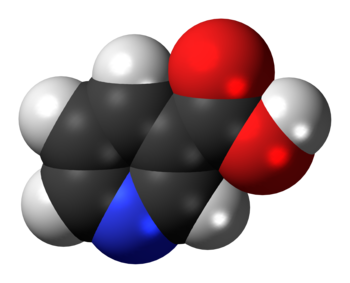
A team of researchers, led by Stefan Offermans, at the Max-Planck-Institute for Heart and Lung Research, Germany, has now identified in mice a new mechanism by which the drug nicotinic acid (niacin) mediates its beneficial effects.
Niacin is one of the oldest drugs used to prevent and treat atherosclerosis, a disease of the major arterial blood vessels that is a major cause of heart attack and stroke. The antiatherosclerotic effects of niacin are believed to be a result of its effects on lipid (fat) levels in the blood, in particular, its ability to decrease levels of ‘bad’ cholesterol (LDL) and increase levels of ‘good’ cholesterol (HDL). However, Offermans and colleagues have now determined that niacin can have antiatherosclerotic effects in mice that are independent of its effects on lipids. Specifically, it had anti-inflammatory effects on immune cells, in particular macrophages, decreasing their recruitment to atherosclerotic plaques and reducing the progression of atherosclerosis. Thus, the authors conclude that the antiatherosclerotic effects of niacin are mediated via effects on both lipid levels in the blood and immune cells.
TITLE: Nicotinic acid inhibits progression of atherosclerosis in mice through its receptor GPR109A expressed by immune cells

